tell the cougar story
so jerry and tom go out
this one time to check
jerry’s traps he’s got a line out
for lynx and you have to
check these quite regularly
so the poor thing isn’t
stuck there so long that it starves
to death or chews its leg
off to get out it’s just
a regular foot trap staked
to the ground
and they get there to
where it’s supposed to be
and it’s gone but there’s
some tracks heading out
over the snow, big
tracks, not a lynx and they follow the tracks
and there it’s this huge
cougar the trap stuck on its paw
dragging the chair and
stake and jerry’s only got his 22
because he’d thought it
would just be the lynx
Guelph, Ontario-based poet and translator Zane Koss’ second full-length collection,
following
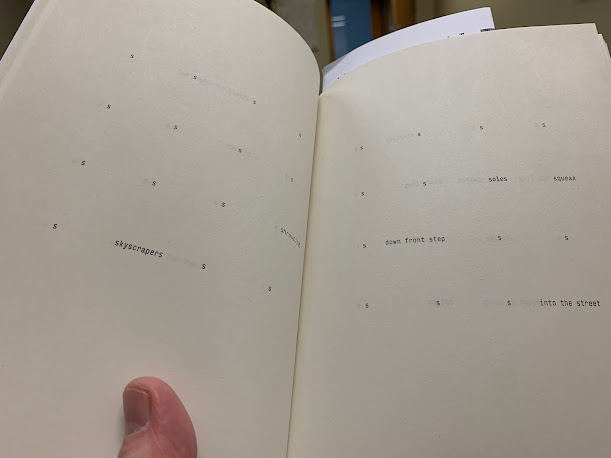
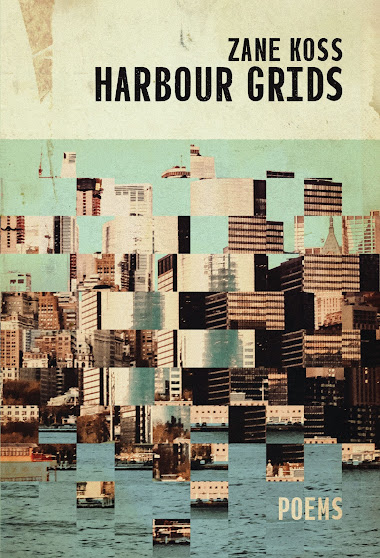
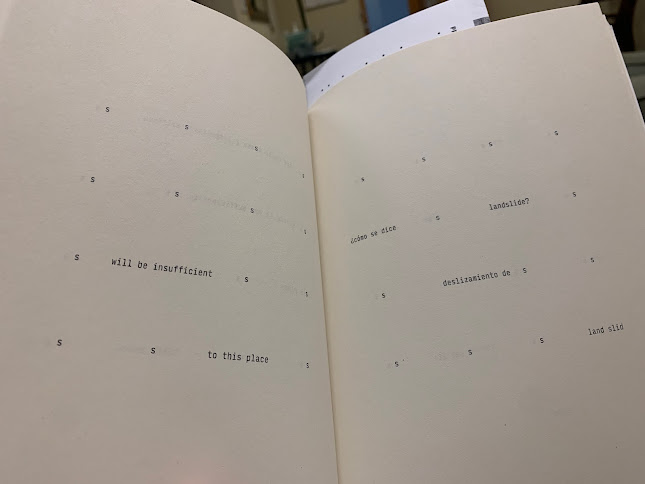
Harbour Grids (Picton ON: Invisible Publishing, 2022) [
see my review of such here] is
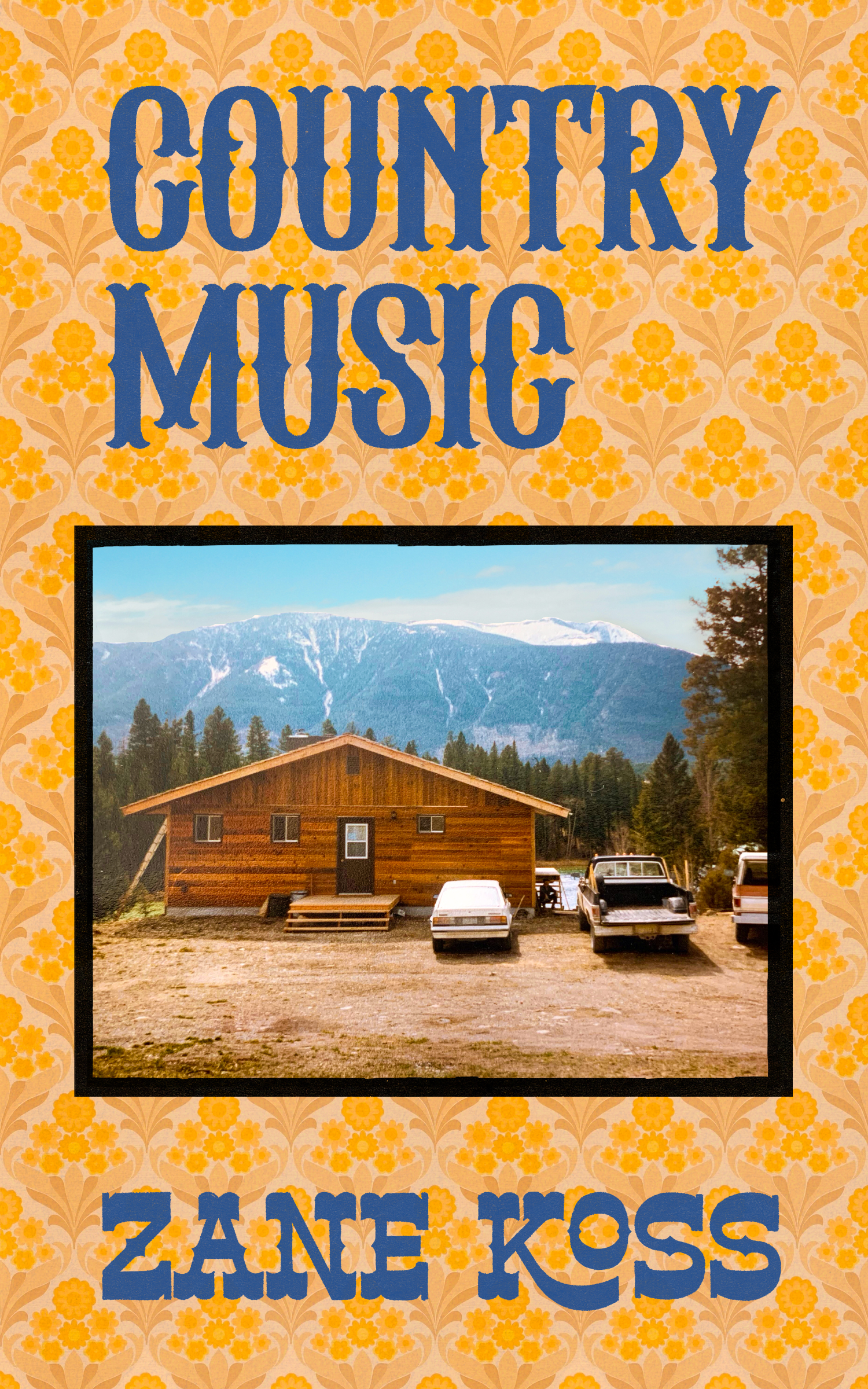
Country Music (Invisible Publishing, 2025), a
book-length poem of stories, ghosts and the country music of rural British
Columbia upbringing. It is a very different tone and approach from, say, the
music of
Dennis Cooley’s Country Music: New Poems (Kalamalka Press, 2004)
or Robert Kroetsch’s “Country and Western” section of his
Completed Field Notes (University of Alberta Press, 2002). As the back cover offers, Koss’
music emerges from stories told around campfires or the kitchen table, held “against
the backdrop of rural British Columbia,” offering working-class tales of “humour
and violence of life in the mountains.” Koss weaves these stories through and
around the shape of an understanding of his own origins, and how he got to
where he is now. As he writes, early in the collection: “where have our fathers
/ gone i have still lived more years / of my life // on a dirt road than a /
paved one, / i tell people that, and // though
true, it doesn’t / feel that way; mike, /
where have we gone [.]” He opens the book, the poem, with a sequence of storytelling
narratives to establish his foundation of a good story, plainly told;
conversational, sections of which feel comparable to
The Canterbury Tales,
but all told by the same unnamed narrator. The poems, the extended long poem,
of
Country Music, is structured in accumulating sections, offering short
narrative bursts of storytelling lyric, notational across the pause and parry across
each storyteller’s particular diction.
seen that picture of you
with the gun
with the twelve-gauge pump-action
shotgun
and the dead birds,
pixelated
while you mourn your
grand
father; i bet you are
wondering;
but me,
i never shot anything
except
popcans and paper
targets,
but i know it, clubbed
fish to eat; gutted
them, myself
one time my dad brought
home a tiny rabbit
in a cardboard box that
his skidder had disturbed
There
is a way that Koss writes these stories as part of his own DNA, but as much deliberately
left behind, distancing himself from the roughness, the low-level violence; of knowing
one is from a particular space but no longer of that space, no matter how foundational
some of those experiences, that thinking. “when they tell these stories now //
i fill in the lost details // as they try to tell them // wanting it exactly //
as i remember it // every rhythm // every detail [.]” Or, this particular
moment, as one’s own learned impulses make unexpected appearances:
these days hand-fees the cat scraps from
the table;
but sometimes, the urge
overcomes me, to lay my hot
coffee spoon against the
thinnest skin on the back of
kate’s hand; it comes up
deep from below, faster than i
know how to fight it;
when i tell her you used to do that
to me at the breakfast
table, every morning, she can’t imagine
you thus.
The
next page, the next line, writing: “truthfully, i can no longer either [.]” This
is a thoughtful and powerful collection, as Koss articulates a roughness, and a
particular kind of low-level toxic masculinity taught that he still works to remove
from himself. Through such, Koss’ Country Music is comparable to Dale
Martin Smith’s Flying Red Horse (Vancouver BC: Talonbooks, 2021) [see my review of such here], in which Smith speaks of fathers and sons, and what
passes through and what he works to prevent passing along. Koss, in his own
way, works to think across similar spaces and distances, attempting to
articulate even how to utilize the page as that best thinking space, to find both
comprehension and comfort. “how to make the page the space,” he writes, “where
that happens /// alone,” he writes. “the page the context in which
improvisation could //
driven by the difference only // only possible in otherness // to make the page
a space of // confronting my own otherness to myself // as a means of
improvisation // cannot quite [.]”
As
well, there’s a particular kind of pacing and visual rhythm displayed in Koss’
long poem that is reminiscent of the late Prince George poet Barry McKinnon’s classic
I wanted to say something (Caledonia Writing Series, 1976; Red Deer College
Press, 1990); whereas McKinnon’s wrote the stories of prairie immigration across
his family history, focusing on parents and grandparents, Koss writes a more
immediate setting of attempting to articulate and understand himself through family
stories, including the telling and retelling of many tales he was directly
around for, leading up to the present moment. “the beer bottles / mark time,”
he writes, “gathered around, telling new / ones [.]” Koss writes not purely through
the lens of what these stories tell but in the telling, of the attempting to
clarify what it is that helped make him, and those elements he chooses to hold,
and others he attempts to leave behind, all while wishing to remember the whole
of it, as best as he can. And, as Barry McKinnon opened sections of his prairie
long poem with “I wanted to say something,” so too, Koss, composing his structural
echo across the interior of his own particular British Columbia upbringing:
I wanted to write a poem
that would somehow
place me
late night
kitchen table
stories
a campfire
All my sense
depends upon
that